

5 Urgent Signs You Need 24/7 Medically Monitored Detox in Orange County
If you’re here because you’re wondering, “Do I really need medically monitored detox?” I want you to know something right away: asking that question doesn’t make you dramatic. It makes you aware. And awareness is often the first real step toward getting your life back.
A lot of people try to “push through” withdrawal at home. Some do it because they’re scared. Some because they feel ashamed. Some because they don’t want to worry their family. And some because they genuinely don’t realize how serious withdrawal can get.
Here’s the truth: detox is not just about being uncomfortable. With certain substances, withdrawal can become medically dangerous fast. A 24/7 medically monitored detox gives you constant oversight, quick response if symptoms escalate, and support to help you get through the hardest stretch safely.
Below are five urgent signs that it’s time to stop trying to white-knuckle this and get real, round-the-clock medical support.
If you feel like you’re in immediate danger, call 911 right now. If you’re not sure, keep reading and reach out. You don’t have to figure this out alone.
1) You’ve had severe withdrawal symptoms before (or they’re starting now)
Withdrawal isn’t the same for everyone, and it’s not always predictable. But if you’ve already experienced intense symptoms in the past, that’s a big flashing warning sign that detox at home can turn risky.
Severe withdrawal can look like:
- Shaking or tremors that don’t calm down
- Heavy sweating, chills, or fever-like symptoms
- Vomiting that won’t stop (or you can’t keep fluids down)
- Rapid heart rate, high blood pressure, chest tightness
- Confusion, disorientation, or feeling “not in your body”
- Panic that feels uncontrollable
- Hallucinations (seeing or hearing things that aren’t there)
- Seizures
Here’s the part people don’t talk about enough: dehydration, electrolyte imbalance, and strain on your heart can sneak up on you when withdrawal is intense. And when symptoms spike overnight, there’s often nobody at home who can tell the difference between “this is miserable” and “this is dangerous.”
In 24/7 medically monitored detox, we can keep a close eye on your vital signs, manage symptoms as safely as possible, and step in quickly if things escalate.
2) You’re detoxing from alcohol, benzos, or multiple substances
Let’s be very direct here: alcohol and benzodiazepine withdrawal can be life-threatening without proper medical supervision. And when substances are combined, the picture can get complicated quickly.
This includes:
- Alcohol
- Benzodiazepines (Xanax, Ativan, Klonopin, Valium)
- “Z-drugs” (Ambien and similar sleep meds)
- Mixing alcohol with benzos, opioids, stimulants, or other drugs
- Using multiple substances daily (even if each one feels “manageable” on its own)
People are often surprised by how intense withdrawal can be, especially if they’ve been using for a long time or exhibiting signs of substance abuse, using daily, or increasing dosage just to feel normal. Even if you’re “functional,” your nervous system may be under a level of stress that needs medical monitoring to stabilize safely.
24/7 detox matters here because symptoms can escalate fast, especially in the first few days. This is particularly true for individuals who might be high-functioning alcoholics, as safe withdrawal may require a carefully structured medical plan that you should not try to DIY.
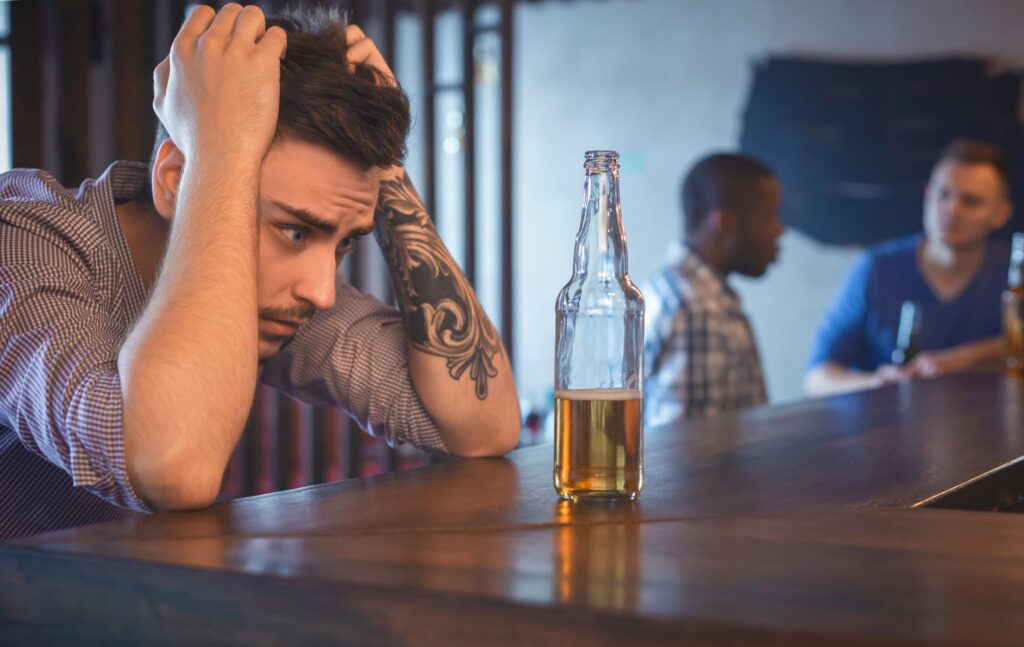
3) Your mental health is spiraling (panic, paranoia, depression, or suicidal thoughts)
Withdrawal doesn’t just hit the body. It can hit your mind like a wave.
If you’re noticing:
- Crushing anxiety or nonstop panic
- Paranoia or fear that feels out of control
- Deep depression, hopelessness, or emotional numbness
- Not sleeping for long stretches (or nightmares that leave you afraid to sleep)
- Thoughts of self-harm or “I don’t want to be here anymore”
- Feeling agitated, aggressive, or unlike yourself
…that’s not something to “wait out.”
This is especially urgent if you’ve ever been diagnosed with anxiety, depression, bipolar disorder, PTSD, or another mental health condition, or if you suspect you might be dealing with one. Substance use and mental health often intertwine; substance abuse in college can often lead to such situations where withdrawal can intensify symptoms in a way that feels terrifying and disorienting.
A medically monitored detox environment gives you round-the-clock support and real-time response when your thoughts or emotions start getting scary. You deserve more than being alone with that.
It’s crucial to understand that the process of withdrawal is not just about physical symptoms; it also significantly impacts mental health. The interplay between mental health and substance use is complex and requires professional intervention for effective management.
4) You have medical conditions that make withdrawal riskier
Sometimes the most dangerous part of detox is what withdrawal does to underlying health issues. If you have a medical condition, detoxing without monitoring can put unnecessary stress on your system.
This includes things like:
- Heart issues, high blood pressure, or a history of stroke
- Diabetes or blood sugar instability
- Liver or kidney problems
- Respiratory conditions (like COPD or asthma)
- Chronic pain conditions (especially if opioids are involved)
- History of seizures (for any reason)
- Pregnancy (if this applies, please seek immediate medical guidance)
Withdrawal can cause spikes in blood pressure, changes in heart rate, dehydration, insomnia, and severe stress responses. Even if you “normally” manage your health okay, detox is not a normal situation for your body.
In a 24/7 medically monitored setting like the one provided at The Retreat at Orange County, we can watch for warning signs early, coordinate care appropriately, and help you get through detox with far less risk.
5) You can’t detox safely at home (even if your symptoms seem “mild”)
This one is more common than people admit. Sometimes the biggest danger isn’t the withdrawal itself. It’s the environment.
You may need 24/7 medically monitored detox if:
- You live alone and don’t have reliable support
- Your home environment is chaotic, unsafe, or triggering
- You’re surrounded by people who are still using
- You’ve tried quitting and relapsed within hours or days
- You’re hiding your withdrawal and pushing through in isolation
- You’re worried you’ll use again just to stop the symptoms
Even “milder” withdrawal can break a person down when it’s paired with fear, insomnia, cravings, and zero support. That’s not weakness. That’s your nervous system asking for relief.
A detox setting provides structure, separation from triggers, and consistent care so you’re not battling cravings and withdrawal in the same place where the cycle has been happening.
If you’re considering detoxing at home due to perceived mildness of symptoms, it’s crucial to understand the potential risks involved. Is it safe to detox from drugs or alcohol at home? This article explores these risks in detail and emphasizes the importance of seeking professional help during this challenging time.
If you’re nodding along to even one of these, it’s worth taking seriously. But if you’re thinking, “This is me,” to two or three of them, that’s usually your sign to stop trying to tough it out.
Here are a few plain-language questions you can ask yourself right now:
- Am I scared of what might happen if I keep detoxing at home?
- Have my symptoms ever gotten intense or unpredictable?
- Am I detoxing from alcohol or benzos (or mixing substances)?
- Do I feel mentally unsafe right now?
- have people in my life who can step in if things take a dark turn overnight?
- Am I using again just to make the physical shaking, sweating, or panic go away?
If your answer to any of those is “yes,” you don’t need to feel ashamed, and you don’t need to prove how tough you are. You simply need a higher level of medical care to get through this phase safely.
What 24/7 Medically Monitored Detox Actually Looks Like
The word “detox” can sound cold, clinical, or intimidating. People often picture sterile hospital wards or rigid holding facilities. At The Retreat Orange County, we built something entirely different.
Located in Santa Ana, CA—just minutes from the coastal light and fresh air of the Pacific—our detox center is designed to feel like a sanctuary. We believe that true physical healing happens best when your nervous system feels secure, quiet, and cared for.
Here is what round-the-clock medical oversight looks like in practice:
- 24/7 On-Site Nursing & Clinical Staff: Our licensed nurses continuously track your vital signs, monitor withdrawal progression, and respond immediately at 3 a.m. if symptoms spike.
- Medication-Assisted Treatment (MAT): We utilize FDA-approved protocols to calm hyperactive nervous systems, safely prevent seizures, and eliminate painful muscle tremors and nausea.
- Seamless Continuum of Care: Unlike facilities that force you to transfer to an outside center after detox, your stay at The Retreat flows directly into our structured residential rehab program—under one roof, with the same clinical team.
- Nutritional & Physical Restoration: Chef-prepared, macro-balanced meals and targeted hydration protocols help repair electrolyte imbalances and thiamine depletion caused by heavy substance use.
- Dual Diagnosis Integration: We begin screening for underlying anxiety, depression, trauma, or bipolar disorder during detox so your mental health is treated alongside physical stabilization.
Frequently Asked Questions About Medical Detox
Is it ever safe to detox from alcohol or drugs at home?
For very mild, short-term substance use under a physician’s direct supervision, home tapering is sometimes possible. However, if you have a history of heavy drinking, benzodiazepine use, severe mental health symptoms, or prior withdrawal seizures, attempting home detox is extremely dangerous and carries life-threatening risks.
How long does a 24/7 medically monitored detox last?
The duration of medical detox varies based on the substance, dosage, and your overall health. On average, alcohol and opioid detox takes 5 to 7 days, while benzodiazepine tapering can take 7 to 14 days or longer. Your care team creates a timeline customized to your clinical needs.
What is the most dangerous day of alcohol withdrawal?
Clinical data shows that severe withdrawal complications—including Delirium Tremens (DTs) and high-level tremors—typically peak between 24 and 72 hours (days 2 through 4) after your last drink. This is why 24/7 medical supervision during the first week is vital.
Will health insurance cover the cost of 24/7 medical detox?
Yes. Most major private health insurance plans cover medically necessary detox and residential addiction treatment. Our admissions specialists can verify your benefits confidentially in just a few minutes.
You Don’t Have to White-Knuckle This Alone
Withdrawal is not a test of character or willpower. It is a biological process, and having professional medical oversight isn’t dramatic—it’s smart, safe, and effective.
If you or a loved one are experiencing severe shaking, mental distress, or fear of what happens when the alcohol or drugs wear off, reaching out right now is the bravest decision you can make.
Contact The Retreat Orange County today to speak confidentially with our admissions team, verify your insurance, and take your first step toward safe, lasting recovery.